On this page
Stanford works well with children for a simple reason: most of the good stuff is outdoors, free and spread over walkable distances. Kids can stand under giant bronze figures, count spines in a 140-year-old cactus garden and spot a radio telescope from a foothill trail, all without a ticket. Two free art museums sit at the center of it, both with programs aimed at families.
The challenge is pacing. The campus is huge and there is little shade in summer. This guide lists the stops that work for kids, what each age group will enjoy and how to handle parking, food and restrooms. Hours and programs below come from Stanford sources as of late October 2026.
What works for which ages
| Age | Best stops | Keep in mind |
|---|---|---|
| Toddlers and preschoolers | Rodin garden, museum storytimes, Lake Lagunita rim trail | Short distances; paved paths around the museums |
| Ages 5 to 9 | Cantor, Arizona Cactus Garden, family days, a swim meet | Sharp cactus spines at eye level |
| Ages 10 and up | The Dish, Anderson Collection, a football or volleyball game | Dish climbs are steep and exposed |
The Cantor and the Anderson
The Cantor Arts Center is a free museum with art from around the world, from ancient objects to contemporary work, plus close to 200 works by Rodin. Next door, the Anderson Collection shows postwar American painting in big, bright galleries. Both are free and both are closed on Tuesday and Wednesday.
The museums run programs for families through the year:
- Art for All Family Day: a free event held twice a year on the lawn between the two museums. The spring 2026 edition on Sunday, April 19, had morning and afternoon sessions with art-making, live music from Stanford student groups, a story time and a gallery scavenger hunt. Free tickets were required and space was limited.
- Storytimes: the arts calendar lists a Museum Minis storytime at the Anderson on Monday, November 16, 2026, at 11:15 a.m. The Cantor has run family storytimes as well.
- Art Adventures: a free family guide at the Anderson about color and perception through the work of Josef Albers. Pick one up at the welcome desk or download it.
For young kids, a museum visit of 30 to 45 minutes is plenty. Pick two or three galleries rather than trying to see everything.

The Rodin Sculpture Garden
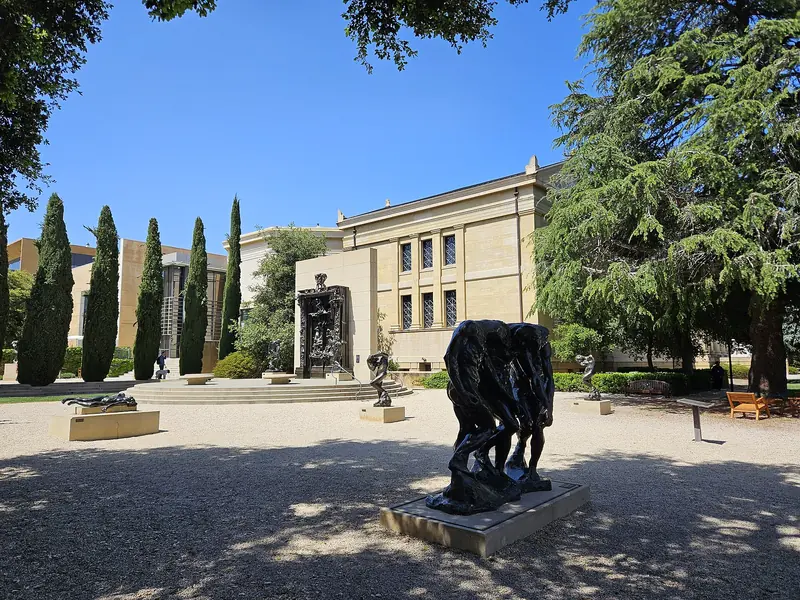
Outside the Cantor, the Rodin Sculpture Garden holds about 20 bronzes on roughly an acre. It is outdoors, free and open 24 hours a day, so it fits any schedule. The Gates of Hell, a bronze doorway more than 20 feet tall crowded with figures, makes a good game: ask kids to find the small Thinker sitting above the doors. Free docent-led Rodin tours run on Fridays and Saturdays at 11:30 a.m. These are artworks, not play equipment, so set the ground rule before you arrive: look closely, no climbing.
The Arizona Cactus Garden
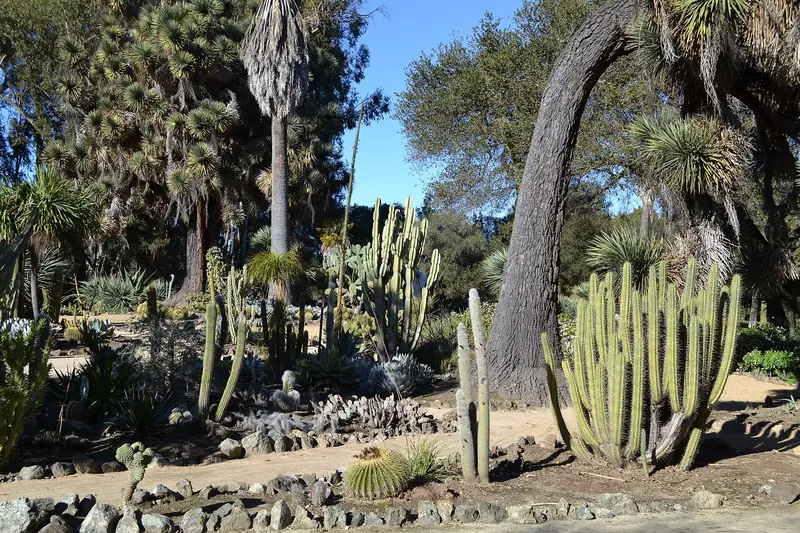
The Arizona Cactus Garden was planted between 1880 and 1883 for Leland and Jane Stanford, before the university existed. It holds about 500 cacti and succulents in 58 beds, many of them strange, tall or spiky enough to fascinate children. It sits in the Arboretum beside the Stanford Family Mausoleum, whose stone sphinxes make a good second stop.
Two cautions. Many plants sit at a child's eye level and the spines are sharp. Some beds are fragile restoration areas. Keep little ones on the paths and hold hands in the narrower stretches. Midday in summer is hot here, so go in the morning or late afternoon.

The Dish
For kids with good legs, the Dish loop is a classic. It is about 3.5 miles on paved service roads in the foothills, with several steep climbs and a high point about 350 feet above the main gate. The giant radio telescope is a strong motivator. The rules are strict: no dogs, no bikes and no skates. Stanford sets the hours by month, roughly sunrise to sunset. The area can also close for fire danger. A portable restroom near the main gate has been part of a pilot program, but do not count on more facilities beyond it.
There is almost no shade. Go early, bring more water than you think you need and plan an exit if a younger child flags. The out-and-back to the first hilltop is a reasonable shorter goal.
Lake Lagunita
Lake Lagunita is a seasonal wetland behind Roble Hall. It dries out every summer and fills after winter rains, so the view changes by season. A rim trail circles the basin, with 12 wooden interpretive posts that explain a year in the life of the wetland. It is protected habitat for the California tiger salamander, so the basin itself is closed. Stay on the trail and keep dogs leashed. Our Lake Lagunita guide has the history, including its boating days.
The stadium and free sports
Stanford Stadium is not open to visitors outside events. For kids who want to see it, a game is the way in. Football game days are big and loud, with the band and the Tree on the sidelines. Smaller events can be better for young children:
- Regular season swimming, diving and artistic swimming at Avery Aquatic Center are listed as free.
- Regular season men's volleyball at Maples Pavilion is listed as free.
- Baseball at Sunken Diamond on a spring evening is relaxed, with lawn seating.
Our Stanford sports and game days page covers schedules, the clear bag policy and tickets.
More family stops
- Educational farm: the O'Donohue Family Stanford Educational Farm on Fremont Road lists weekday and Saturday morning hours and runs volunteer shifts. See our farm guide before going.
- Stargazing: KIPAC's free stargazing nights at the Stanford Student Observatory happen a few times a year and need registration.
- Papua New Guinea Sculpture Garden: carved wood and stone figures near Roble Hall, free and outdoors.
- Hoover Tower: the free ground-floor galleries are open weekdays, but the observation deck is closed until January 25, 2027.
Practical tips
- Parking: many central zones are free on weekends and on weekdays after 4 p.m. Weekday daytime parking is paid by zone through ParkMobile. Our parking guide explains how.
- Getting there car-free: on weekdays the free Marguerite shuttle runs from the Palo Alto Caltrain station. On weekends it does not run and the walk up Palm Drive is about a mile.
- Food: dining halls are not open to the public. Tresidder Union has the most options and the Cantor has a cafe. Our campus dining guide lists what stays open on weekends.
- Restrooms: the museums are your best bet. Outdoor sights have few or none.
- Weather: summer afternoons are hot and exposed; mornings can start cool. Bring hats, sunscreen and a layer.
- Bikes: campus paths are busy with student cyclists, especially between classes. Hold hands at crossings.
A half-day plan
- Park near the museums on a Thursday to Monday, or arrive on foot from Palm Drive.
- Start in the Rodin garden while energy is high.
- Spend 30 to 45 minutes in the Cantor or the Anderson.
- Snack at the Cantor cafe or head to Tresidder.
- Drive or walk to the Arizona Cactus Garden and the Mausoleum sphinxes.
- Finish with the Lake Lagunita rim trail, or save the Dish for an early start another day.
For more ideas across town, see our guide to Palo Alto with kids. Families staying several nights often prefer a rental with a kitchen; you can browse family rentals near Stanford.
Frequently asked questions
What is there for kids to do at Stanford?
Families can see the free Cantor Arts Center and Anderson Collection, walk among the bronzes in the Rodin Sculpture Garden, explore the Arizona Cactus Garden, hike the Dish with older kids and watch free sports such as regular season swim meets. The museums also run family days and storytimes.
Is the Cantor Arts Center good for kids?
Yes. It is free, indoors and close to the outdoor Rodin garden, which suits short attention spans. It is closed Tuesday and Wednesday. Twice a year the Cantor and the Anderson Collection hold an Art for All Family Day with free tickets, art-making and music.
Can young kids hike the Stanford Dish?
School-age kids with some stamina can. The main loop is about 3.5 miles on paved roads with several steep climbs and almost no shade. Go early in the day, bring water and plan on 1 to 1.5 hours. Dogs and bikes are not allowed.
Is parking free at Stanford on weekends?
In many central campus zones, yes. Stanford Live says metered and lettered zones are free on weekends and on weekdays after 4 p.m. Paid hours vary by lot, so read the green zone sign. Weekday daytime visitors pay by zone through ParkMobile.
Can kids go inside Stanford Stadium?
Generally only on event days. Outside games and other events the stadium is not open to visitors. Families can buy tickets to a football game or watch free sports elsewhere on campus, such as regular season swimming and diving at Avery Aquatic Center.