On this page
Palo Alto is one of the best small cities in the West for birdwatching and most visitors never notice. On its east side the city owns nearly 2,000 acres of salt marsh, sloughs and ponds at the edge of San Francisco Bay. On its west side it owns grassland and oak woodland that climb toward Skyline Boulevard. Between those two habitats you can find shorebirds, ducks, rails, raptors and woodland songbirds within a 20-minute drive.
This guide goes beyond our Baylands Nature Preserve guide. It explains how the seasons and the tides change what you will see, which corners of the marsh are worth the walk, where to bird in the foothills and how to join a local field trip.
Why Palo Alto is good for birds
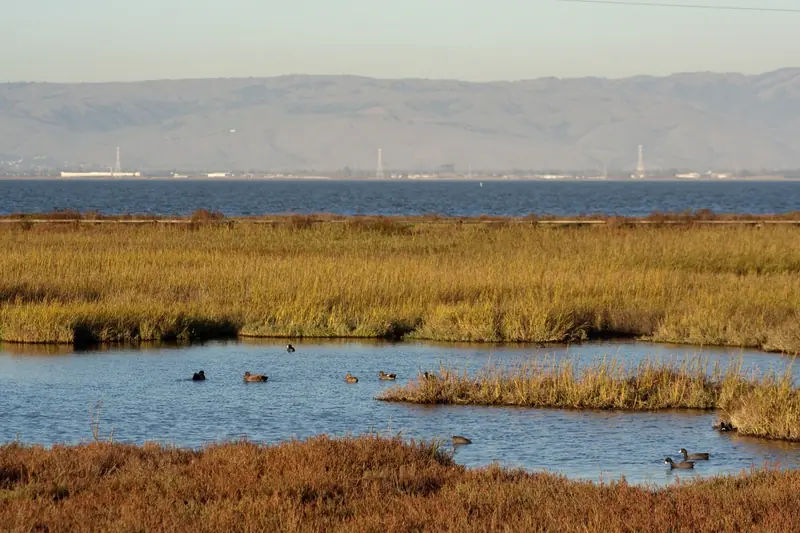
The Baylands sit on the Pacific Flyway, the migration route that runs from the Arctic to South America. San Francisco Bay is one of the main rest stops along it. Mudflats exposed twice a day by the tide are full of worms, clams and small crustaceans, which is exactly what shorebirds need after a long flight. The city calls the preserve one of the largest tracts of undisturbed marshland left on the bay and birders rank it among the best birding spots on the West Coast.
The foothills add a second list. Oaks, grassland and chaparral support woodpeckers, bluebirds, hawks and kites that you will never see on the bay shore. Few places let you do both in one morning. A common local plan is the marsh at sunrise, a coffee in town and the oaks of Arastradero before the midday heat.
Baylands birds by season
The calendar matters more than anything else. Here is what birders and the local bird alliance typically report at the Baylands through the year.
| Season | What to look for | Where to stand |
|---|---|---|
| Late fall and winter | Northern shovelers, pintails, buffleheads, ruddy ducks, wigeons and scaup on the water. Avocets, stilts, willets, marbled godwits, dowitchers and long-billed curlews on the mud. | End of the boardwalk, the flood basin levees, ponds along the Adobe Creek Loop |
| Winter high tides | Ridgway's rails, soras and other secretive marsh birds pushed out of the pickleweed. Raptors hunting the edges. | Boardwalk and levees beside the nature center |
| Spring | Shorebirds in breeding colors on their way north. Marsh wrens and song sparrows singing. Terns returning. | Boardwalk, sloughs near the launch, Byxbee Park Hills |
| Summer | Fewer ducks, but egrets, herons, terns, white pelicans and nesting stilts and avocets. | Ponds and the Duck Pond, early in the day |
| Early fall | The first returning shorebirds and the start of the duck arrivals. | Mudflats at a falling tide |
Egrets, great blue herons and northern harriers are year-round residents, so even a quiet July morning rarely comes up empty. For a full species checklist, the eBird hotspot pages for the Palo Alto Baylands collect sightings from local birders and are the easiest way to see what turned up this week.

Reading the tides
Experienced Baylands birders check the tide table before they check the weather. The bay has two high and two low tides most days and each one changes the scene.
- Low tide. Mudflats open up and shorebirds spread out to feed. Birds can be far away, so this is scope time.
- Rising tide. The water pushes shorebirds closer to the levees and the boardwalk. Many birders consider the hour or two before high tide the sweet spot.
- High tide. Shorebirds crowd onto the few dry spots and roost. On the very highest tides of the year the pickleweed floods and marsh birds have nowhere to hide.
Those extreme high tides, often called king tides, usually fall between November and January. They are the classic time to look for the endangered Ridgway's rail, once called the California clapper rail. Birders sometimes spot the much smaller and rarer California black rail at the same time. Watch from the boardwalk or the levee and never walk into the marsh. The birds are stressed enough when the water rises and the marsh is protected habitat.
The Lucy Evans Baylands Nature Interpretive Center
The nature center at 2775 Embarcadero Road is the natural starting point for a birding visit. It stands on pilings over the marsh with the boardwalk running out from it toward open water. The city says the center serves about 130 classes and camps a year. Exhibits explain the plants and animals of the salt marsh and staff can tell you what has been showing up.
The building keeps limited hours that change with the season, so check the city's nature center page before you plan around it. The boardwalk and trails keep the preserve's hours, which are generally 8 a.m. to sunset.
A few spots near the center reward a slow look:
- The boardwalk. About a quarter mile out over the pickleweed to open water. Best on a rising tide.
- The Duck Pond. Gulls, ducks and geese at close range. Good for children and for practicing gull identification in winter.
- The flood control basin and sloughs. Walk the levees north and west for herons, egrets and shorebirds working the channels.
- Byxbee Park Hills. The grassy hills south of Embarcadero Road give a high view of the marsh and are good for hawks and kites hunting the slopes. See our Byxbee Park guide.
Arastradero and the foothills
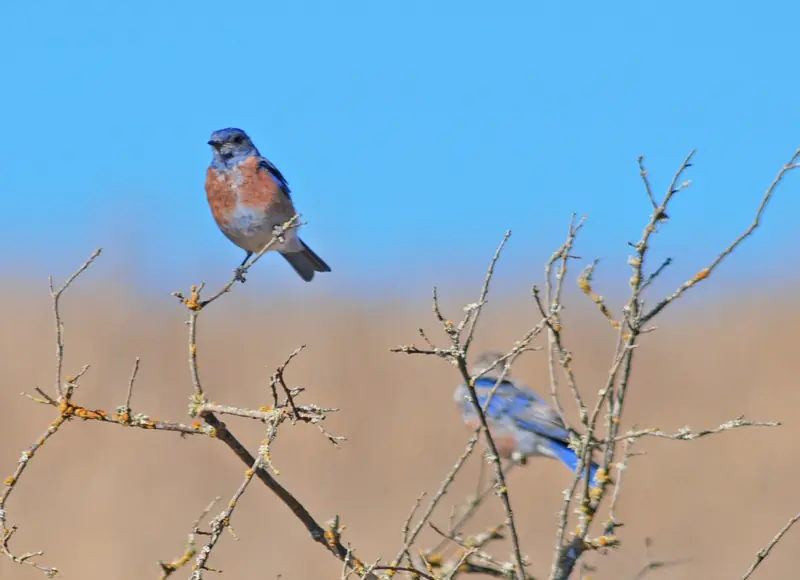
The western half of the city is a different world. Pearson-Arastradero Preserve covers 622 acres of open grassland and oak woodland. It is the easiest foothill birding in town. Western bluebirds perch on fence posts and low branches in the open fields. Acorn woodpeckers call from the oaks. Red-tailed hawks and white-tailed kites hunt over the grass and the shaded creek trail holds woodland birds such as oak titmice and California towhees.
Higher up, Foothills Nature Preserve adds Boronda Lake, chaparral and denser woods. Wild turkeys wander the lawns, ducks use the lake in winter and raptors ride the thermals above the ridges on warm afternoons. Remember the vehicle fee and the cap on visitors, which can close the gate on busy weekends.
The Stanford Dish is better known as a workout, but its open grassland and scattered oaks are good for hawks, kites and woodpeckers. Go early before the crowds. The quiet Esther Clark Preserve is another small grassland spot worth a few minutes at dawn.

Local birding groups and field trips
The Santa Clara Valley Bird Alliance is the local chapter for Palo Alto and the rest of Santa Clara County. It runs field trips around the county, including regular walks at the Palo Alto Baylands, family trips and outings for young birders. A January 2026 Baylands trip, for example, met in the parking lot across from the Lucy Evans nature center and followed a flat route of about two miles in search of shorebirds, wading birds, ducks, raptors and songbirds.
Trips are posted on the group's event calendar with a leader and a sign-up. The alliance asks people to limit their sign-ups each month so more birders get a spot, so book early for popular winter walks. Field trips are a good way to learn where the rails hide and how to sort out the look-alike shorebirds.
The city's nature center also runs classes and camps and the preserve sometimes hosts guided walks. For Stanford's biological preserve in the hills, see our guide to Jasper Ridge, which is open only on guided visits.
Rules and etiquette
Good to know
- Stay on trails, levees and the boardwalk. The marsh is fragile and some of its birds are endangered.
- Dogs must be leashed in the preserves and are not allowed on the Renzel Ponds trails at the Baylands.
- Drones are banned in city preserves. Feeding wildlife is banned too.
- Do not use recorded calls to pull rails or other sensitive birds into the open.
- If you are on the water, the Bay Water Trail asks paddlers to stay well back from large groups of birds. Our kayaking guide has the details.
Planning a birding morning
Wind is the enemy at the Baylands. On most days it builds after noon and makes scopes shake and birds hunker down. Plan to arrive when the gate opens and leave by late morning. Fall and winter often bring the calmest, clearest mornings, while summer brings fog and afternoon gusts. Our weather guide has the monthly averages.
Bring binoculars, a hat and a windbreaker. The Baylands have almost no shade. A spotting scope helps a lot on the mudflats. Parking near the nature center is free and restrooms are available in the preserve. If you want more miles of shoreline, the Bay Trail continues along the levees toward Mountain View, where the salt ponds and sloughs near Shoreline Park hold more ducks and shorebirds.
In the foothills the best time is also early, but for a different reason. Songbirds sing most in the first two hours after sunrise and summer afternoons get hot. Spring adds wildflowers to the mix. Our wildflower guide shows where the two overlap.
Frequently asked questions
Where is the best birdwatching in Palo Alto?
The Palo Alto Baylands Nature Preserve at the east end of Embarcadero Road is the top spot. Its salt marsh, sloughs and ponds draw large numbers of ducks and shorebirds from fall through spring. For woodland and grassland birds, try Pearson-Arastradero Preserve or Foothills Nature Preserve.
When is the best time of year to see birds at the Baylands?
Late fall through early spring is peak season, when migrating and wintering ducks and shorebirds fill the marsh. The highest winter tides are the best chance to see rails. Early morning beats the windy afternoons in any season.
How can I see a Ridgway's rail in Palo Alto?
Go to the Baylands boardwalk or the levees near the nature center during one of the year's highest tides, usually in winter. Rising water floods the pickleweed and pushes rails toward the edges. Stay on the trail and keep your distance, since the species is endangered.
Are there guided bird walks in Palo Alto?
Yes. The Santa Clara Valley Bird Alliance runs field trips at the Palo Alto Baylands and other local sites, listed on its event calendar. Trips often meet in the parking lot across from the Lucy Evans nature center and follow a flat route of about two miles.
Do I need binoculars to bird at the Baylands?
Binoculars make a big difference because many birds feed far out on the mud or water. A spotting scope helps even more at low tide. If you have neither, the boardwalk and the Duck Pond still give close views of herons, egrets, gulls and ducks.