On this page
Barron Park does not feel like the rest of Palo Alto. That is the point. Many of its lanes feel closer to the countryside than to a tech suburb. A creek runs through a park where a donkey pasture sits across the water. For most of the twentieth century it was not part of the city at all. Its residents argued about joining Palo Alto for almost 30 years before they finally said yes in 1975.
This guide covers the farm and estate that came first, the long annexation fight, Bol Park and its bike path, Matadero Creek, the donkeys and what the neighborhood is like to visit today.
Where Barron Park is
Barron Park lies on the southwest side of El Camino Real in south Palo Alto. In the 1940s residents defined it as everything between El Camino Real, the Stanford lands and Arastradero Road. That remains a fair rough guide. Stanford Research Park and the VA Palo Alto hospital campus sit along its western edge. Gunn High School is on Arastradero Road at the southern end.
Two creeks cross the neighborhood. Matadero Creek runs past Bol Park toward El Camino Real. Barron Creek passes under the Gunn High playing fields and then alongside Los Robles Avenue. The Barron Park Association also serves residents of a small adjoining area known as Green Acres 2.
From Mayfield Farm to the Barron estate
The land was once part of Rancho Rincón de San Francisquito. In 1853 Elisha Oscar Crosby bought 250 acres of it and called his property Mayfield Farm. That name later passed to the nearby town of Mayfield, today's California Avenue district. In 1856 Crosby transferred the farm to Sarah Wallis to settle a debt he owed her. Wallis, a suffragist, became one of the area's best-known early residents.
The Wallis homesite is now California Historical Landmark No. 969. Its plaque, placed in 1986, is listed at 3880 La Selva Drive (some sources say 3899) and is worth a stop on a walk or ride.
The neighborhood takes its name from the Barron family, whose country estate later occupied the old farm. The Barron Mansion burned down in 1936. According to the neighborhood's historian, the Palo Alto fire department refused to help fight that blaze. The episode fed decades of neighborhood resentment toward the city. When the Barron Park Association marked the neighborhood's 75th anniversary in 2000, it placed the start of the residential neighborhood around 1925.
An island of opposition
Barron Park's long resistance to annexation is the defining story of the neighborhood. Barron Park historian Douglas Graham has documented it in detail in the association's newsletter. The highlights:
- 1947: After the state forestry service stopped providing fire protection, a proposal for a local fire district lost by three votes, 148 to 145.
- 1947 and 1948: Annexation drives stalled. The Women's Christian Temperance Union, still powerful in dry Palo Alto, opposed bringing in an area with liquor stores and bars that served thirsty Palo Altans. David Packard, a former Barron Park resident, supported joining the city. Voters still rejected annexation in November 1948, 338 to 261.
- 1949: Residents voted four to one to form their own Barron Park Fire District and a volunteer fire department.
- 1954: The Ventura area to the east, sometimes counted as part of Barron Park, was annexed to Palo Alto on December 29.
- 1955: Another annexation drive ended when opponents filed protests from a majority of property owners.
- 1965: The neighborhood association took its current name and switched from opposing annexation to supporting it on terms the neighborhood could accept.
- 1975: Residents voted about two to one to join Palo Alto. Annexation took effect on December 8, 1975.
According to the Barron Park Association, the city agreed as part of that deal to let Barron Park keep its semi-rural character. Our history of Palo Alto places these fights in the context of the city's postwar growth.
Bol Park and the bike path
Bol Park at 3590 Laguna Avenue is the neighborhood's front yard. The land was part of the Cornelis Bol family's hay farm, where the family kept horses and later donkeys. In the 1960s, while the area was still in the county, the Barron Park Association worked with the Bol family and county officials on a plan to turn the donkey pasture into a park. Residents voted to tax themselves to buy the land. Two local landscape professionals, Ken Artunian and Jack Buktenica, designed it with a natural-looking creek bank. It became Palo Alto's newest park after the 1975 annexation.
In a second phase, an old railroad right-of-way beside the park was paved as a bike path. Today it is a shared path used by students and commuters on bikes and by walkers, joggers and families. One end meets Matadero Avenue near Laguna Avenue. The other heads toward Stanford Research Park, running beside the VA Palo Alto campus. Because so many people share it, ride slowly and announce yourself when passing.
The park also holds a California native habitat garden tended by association volunteers with help from local students, Scouts and the nonprofit Grassroots Ecology. For wider trail options, see our outdoors guide and the page on Foothills Nature Preserve.
The Barron Park donkeys
The Bol family kept donkeys on their land. Donkeys are still the neighborhood's unofficial mascots. Their pasture sits across Matadero Creek from the old Bol cottage on Roble Ridge and is visible from the trail through Bol Park. The land has been privately owned since 1998. A volunteer group known as the Donkey Project cares for the animals, with the environmental nonprofit Acterra serving as its fiscal sponsor for donations under agreements dating to 2002 and 2013.
Names have changed over the years. Earlier residents knew Mickey and Niner. Perry and Jenny were the pair for much of the 2010s. Check the Donkey Project's site for current visiting times with Buddy and April. In 2025 the association's historian still referred to the current donkey pasture by the creek. Neighbors have long said that Perry was a model for the Donkey character in the Shrek films. The association once advertised a chance to meet the donkey from Shrek at its movie night.
Good to know
- Do not feed the donkeys anything. Volunteers keep them on a vet-approved diet and treats such as apples or carrots have caused problems in the past.
- Do not tap the fence, throw things or try to coax them over. Let them come to you.
- Volunteers have offered supervised visits on some Sunday mornings in Bol Park. Look for posted information at the pasture kiosk.
- Report any injury or concern using the phone numbers posted at the pasture.
Matadero Creek
Matadero Creek starts in the foothills of Los Altos Hills and flows about 8 miles northeast to the bay. Its Spanish name means slaughtering place. It appeared as Arroyo del Matadero on maps from the 1830s and 1840s. In Bol Park it usually keeps flowing all summer, which is rare for a Peninsula creek. Between El Camino Real and US 101 it runs in a concrete channel, then reaches the bay through the Palo Alto Flood Basin.
The creek has a complicated recent history. In the 1990s testing found chemical contamination from leaking underground tanks at sites in Stanford Research Park. The creek was cleared of those chemicals by 1997. Groundwater in Barron Park wells dropped below state drinking water standards by 2008. For years, treated groundwater discharged from cleanup systems in the research park has helped keep the creek flowing in dry months. Flooding was another worry. In the 1990s the association worked with the county water district on a roughly $16 million project with a settling basin near Gunn High and culverts that divert Barron Creek storm flows into Matadero Creek. The work took about three years and took the neighborhood out of the flood zones.
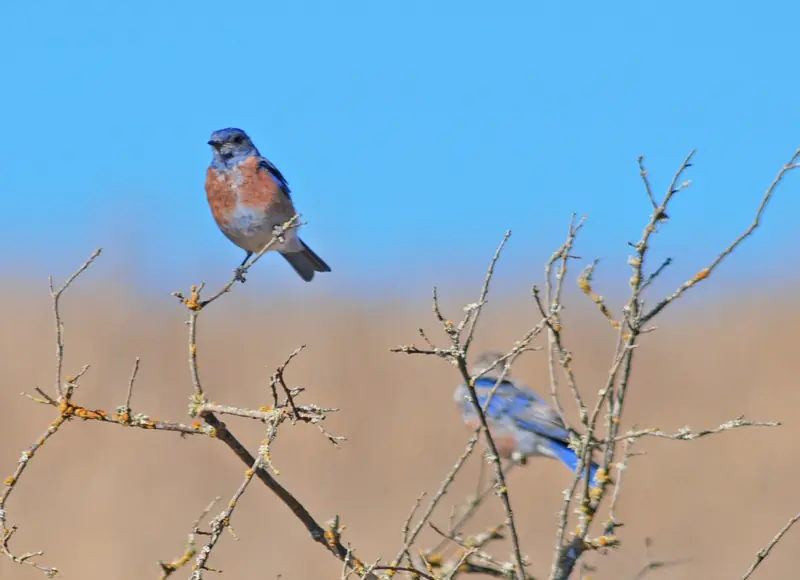

Barron Park today
Walk the side streets and you will see the semi-rural character residents fought to keep. Many lanes have no sidewalks. Lots come in odd shapes and sizes. Older cottages and ranch houses sit beside large new homes. Overhead utility wires are a common sight. In 2024 the association pressed council candidates on restarting the city's program to put them underground.
The neighborhood has two parks. Bol Park sits on the west side. Juana Briones Park, at Maybell and Amaranta avenues on the other side, was once an apricot orchard and is now an open field with play structures. Volunteers have planted small apricot groves around its edges in honor of that past. Commercial life is along El Camino Real, where restaurants, shops and services line the neighborhood's eastern edge.
Families are served by Palo Alto Unified schools, with Gunn High School close by. Attendance areas change, so check the district's school finder for any address. Our schools guide and our guide to living in Palo Alto cover the details.
Neighborhood events
The Barron Park Association runs a busy calendar of free or low-cost events. Most take place in Bol Park.
- May Fete: A spring party with a maypole dance, music and games that Paul Edwards started in May 1978.
- Ice cream social: A late summer gathering in Bol Park.
- Movie night: An outdoor screening in Bol Park. The October 2025 pick was Shrek 2.
- Barron Park Celebration and Craft Fair: An end-of-year community event with food and crafts, scheduled for November 15, 2026, from 1:30 to 4 p.m. at Juana Briones Park.
Check the Barron Park Association website for dates, since they vary from year to year.
Visiting Barron Park
Barron Park makes an easy half-day outing by bike. Start at the Sarah Wallis landmark on La Selva Drive, ride over to Bol Park and walk the creek trail past the donkey pasture. Continue along the bike path toward Stanford Research Park, or loop back to El Camino Real for lunch. A longer ride up Arastradero Road leads to the hills of Pearson-Arastradero Preserve.
The flat streets suit casual riders. If you did not bring a bike, you can look for bike rentals in the area. For lodging, look along El Camino Real or downtown. You can also continue north to California Avenue and College Terrace, or return to the neighborhoods overview.
Frequently asked questions
When did Barron Park become part of Palo Alto?
Barron Park was annexed on December 8, 1975, after residents voted roughly two to one in favor. It had been unincorporated Santa Clara County land. Earlier annexation drives in the 1940s and 1950s failed. Parts of historic Barron Park, including the Ventura area, joined the city earlier.
Are there still donkeys in Barron Park?
The donkey tradition continues. The Barron Park Donkey Project now cares for Buddy and April. Perry, the herd's best-known donkey, died on January 2, 2025, at 30. The association's historian also described a current donkey pasture beside Matadero Creek in 2025. Volunteers care for them on a feeding plan, so visitors should never feed them.
Where is Bol Park and its bike path?
Bol Park is at 3590 Laguna Avenue in Barron Park, along Matadero Creek. The paved path beside it follows an old railroad right-of-way and is shared by cyclists and pedestrians. It links the neighborhood with the Stanford Research Park area.
Was a Barron Park donkey the model for Shrek?
Neighbors have long said that Perry, one of the Barron Park donkeys, was a model for the Donkey character in the Shrek films. The Barron Park Association promoted a 2018 movie night with a chance to meet the donkey who starred in the Shrek movies.
Why is Barron Park semi-rural?
It developed for decades outside city limits under county rules. When residents finally voted to join Palo Alto in 1975, the Barron Park Association says the city agreed to let the neighborhood keep its semi-rural character.