On this page
Not legal or financial advice
- This page is general information about Palo Alto's office market. It is not legal, real estate or financial advice.
- Market figures come from a dated broker report and change every quarter. Treat them as context, not a quote.
- Have a real estate lawyer review any lease before you sign it.
Palo Alto has some of the most expensive office space in the country. It rarely has much of it to spare. The city is small, its downtown buildings are low and its largest office district sits on land Stanford will not sell. Yet small companies find space here every year. The trick is knowing which part of town fits your stage and what the lease terms mean.
This guide covers the three main office districts, what a recent market report says about vacancy and rents plus the basic terms of a commercial lease. If you only need a desk or a meeting room, start with our guide to coworking and flexible space instead.
The market in numbers
We only quote market figures with a source and a date. Kidder Mathews, a commercial real estate firm, publishes a quarterly Silicon Valley office report using CoStar and government data. Its third quarter 2026 report gave these figures:
| Measure, Q3 2026 | Palo Alto | Silicon Valley |
|---|---|---|
| Office inventory | About 12.8 million sq ft | Not compared here |
| Direct vacancy | 13.7 percent | Not compared here |
| Total vacancy, including sublease space | 15.1 percent | 15.9 percent |
| Availability | 15.6 percent | 16.3 percent |
| Average asking rent, per sq ft per month | $7.50 | $4.98 |
| Under construction | 60,188 sq ft at 2525 Park Blvd | 60,188 sq ft |
Source: Kidder Mathews, Silicon Valley office market research, 3Q 2026. The report said net absorption in Silicon Valley was positive for a fourth straight quarter. It said leasing volume in the first three quarters of 2026 was up about 71 percent from a year earlier. Other brokers publish their own figures, which differ because each firm defines its market and building set differently. Compare like with like.
Two points stand out. Palo Alto's average asking rent is about 50 percent above the Silicon Valley average. And almost nothing new is being built: the report listed a single project under construction in the whole region.
Downtown and University Avenue
Downtown is where small startups traditionally go after the garage. Office floors sit above shops and restaurants on University Avenue, Hamilton Avenue and the side streets, mostly in buildings two to four stories tall. The Palo Alto Caltrain station is at the foot of University Avenue. Investors on Sand Hill Road are a short drive away.
- Good for: teams of 5 to 50 that want to recruit, host investors and be near cafes and transit.
- Watch for: small floor plates, older buildings, limited parking and ground-floor rules that keep retail on the street level.
- Parking: many employees use city garages and permits. Our guide to downtown parking garages explains the options.
Sublets are common downtown because companies outgrow small offices quickly. Our downtown guide describes the streets and their history.
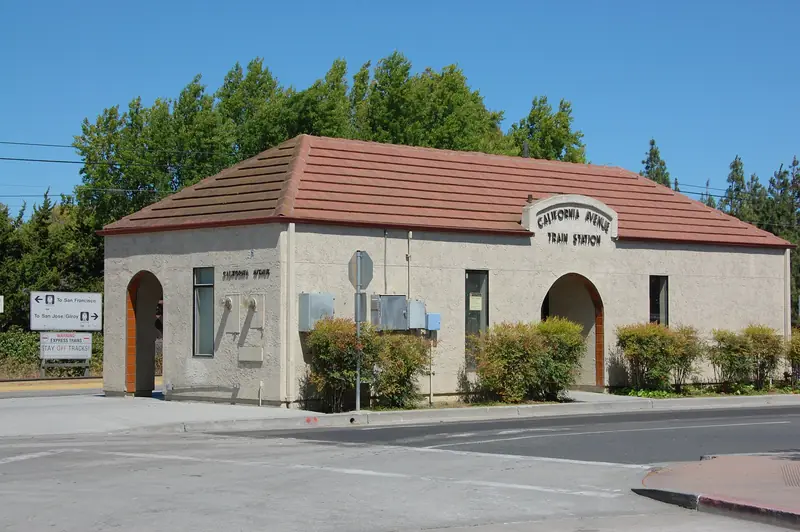

California Avenue and Park Boulevard
The California Avenue district is Palo Alto's second downtown. Its office buildings line California Avenue, Park Boulevard and the streets near the California Avenue Caltrain station. Rents and pace are often a little calmer than University Avenue. Tenaya Capital, for example, lists its office at 3101 Park Boulevard.
- Good for: teams that want transit access, a short ride to Stanford Research Park and a quieter street.
- Watch for: a smaller stock of buildings, so the right size may not be available when you need it.
- Nearby: the car-free blocks of California Avenue for lunch, plus the Sunday farmers market.
Stanford Research Park
Stanford Research Park is the city's largest office and research district, with about 700 acres and more than 150 companies. Stanford owns the land and leases it out, so buildings are held under long ground leases. Much of the space is leased by whole buildings to large companies. Recent examples include Tesla's engineering headquarters on Hanover Street and General Motors' 2026 lease at 3411 Hillview Avenue.
Startups do find space here, usually by subleasing part of a building, using flexible lab and office providers or joining a program space. Page Mill Labs at 950 Page Mill Road offers flexible wet labs for life science companies. Getting to the park without a car means the Marguerite shuttle or a bike. For lunch options, see our guide to where to eat near the research park.
Other pockets
- El Camino Real. Office buildings such as Palo Alto Square at 3000 El Camino Real sit near Page Mill Road, between California Avenue and the research park.
- East Bayshore and Embarcadero Road. Lower-rise offices near Highway 101 offer easier parking and freeway access.
- Neighboring cities. Menlo Park, Mountain View and Redwood City have larger buildings and often lower rents. Many Palo Alto companies move there once they grow.
Commercial lease basics
Commercial leases are negotiated contracts with few of the protections that residential tenants have. Terms to understand before you compare offers:
- Rent quotes. Bay Area office rent is usually quoted per square foot per month. Multiply by the rentable square feet to get the monthly rent.
- Full service or triple net. A full service lease folds building operating costs into the rent. A triple net lease charges taxes, insurance and maintenance separately. Kidder's averages above are full service figures.
- Rentable versus usable. Rentable area includes a share of lobbies and hallways, so you pay for more than you occupy.
- Term and options. Landlords prefer three to five years or longer. Startups often want shorter terms, renewal options or the right to sublease.
- Tenant improvements. An allowance from the landlord to build out the space. Ask who manages construction and who pays overruns.
- Security. Expect a deposit or a letter of credit, which may be larger for young companies. Some landlords ask founders for a personal guarantee. Think hard before agreeing.
- Assignment and subletting. Make sure you can sublet or assign the lease if you grow, shrink or are acquired.
- Accessibility disclosure. California law requires commercial landlords to state whether the space has been inspected by a Certified Access Specialist.
A tenant's broker can show you options and negotiate terms. In many deals the broker is paid from the landlord's commission, but confirm the arrangement in writing. Our law firms guide lists firms with real estate teams as well as startup practices.
City rules that come with an office
- Zoning. Office, research, lab and retail uses are each allowed in different districts. Confirm your use with the city's planning department before you sign.
- Business registry. Businesses with a fixed place of business must register within 30 days of starting. Our registration guide explains the annual fee.
- Business tax. Palo Alto's square footage tax exempts the first 10,000 square feet of every business. Larger tenants should budget for it.
- Permits. Build-outs need building permits. Labs and hazardous materials need extra review.
Choosing when to lease
Most startups wait longer than they expect to sign a real lease. A team of a few people can work from coworking space, a sublet or a founder's home within city rules. Signing a five-year lease on a growing company's best guess is risky. Common triggers for a first lease are a team of about 15 to 20 people who meet daily, a lab or hardware need or a funding round large enough to cover the deposit and build-out. Before you sign, check that your hiring plan fits the space for at least two years. Our hiring guide covers the other costs of growing a team.
Good to know
- Ask for any market figure's source and date. Asking rents are not the same as signed rents.
- Walk the commute at rush hour before you sign. Parking and Caltrain access shape recruiting.
- Read the sublease clause twice. It is your exit if plans change.
Frequently asked questions
How much does office space cost in Palo Alto?
Kidder Mathews' third quarter 2026 Silicon Valley office report put Palo Alto's average asking rent at $7.50 per square foot per month, well above the Silicon Valley average of $4.98. Actual deals vary with the building, the floor, the lease term and the concessions a landlord offers.
What is the office vacancy rate in Palo Alto?
In the same Kidder Mathews report, Palo Alto had a total vacancy rate of 15.1 percent and a direct vacancy rate of 13.7 percent in the third quarter of 2026. The wider Silicon Valley office market was at 15.9 percent and had fallen for several quarters.
Can a startup lease space in Stanford Research Park?
Yes, though most of the park is leased to established companies in whole buildings. Stanford owns the land and leases it out. Many buildings are then leased to tenants by private owners or subleased. Smaller teams usually find space through brokers, sublets or flexible lab and office providers in the park.
What does full service mean in an office lease?
A full service lease generally folds building operating costs such as taxes, insurance and common area maintenance into the rent. A triple net lease charges those costs separately on top of base rent. Ask exactly which costs are included before you compare offers.
Do I need to register with the city if I lease an office?
Yes. Palo Alto requires businesses with a fixed place of business in the city to register within 30 days of starting. The city's square footage business tax exempts the first 10,000 square feet of every business, which covers most small startups.