On this page
Palo Alto climbers have trained indoors for years, but the rock that most of them dream about is close. On the crest of the Santa Cruz Mountains, boulders and small cliffs of honeycombed sandstone poke out of the fir and oak forest at Castle Rock State Park. People have climbed here for nearly a century. On a dry winter weekend the trails below Castle Rock and Goat Rock fill with climbers carrying crash pads.
This guide sticks to the crags of the Peninsula and South Bay that parks publish rules for, with one longer trip to Pinnacles. Marin's sea cliffs such as Mickey's Beach and the East Bay crags are a long drive from here, so they are not covered. Before any trip, read the closure rule below. It is the single fact that decides most climbing days on Skyline.
Castle Rock State Park
California State Parks says climbers have scaled the park's outcrops of Vaqueros sandstone for nearly a century. The hard outer skin of the rock and the honeycomb patterns called tafoni make it good for bouldering and roped climbing. The two big formations are Castle Rock itself, a short walk from the main lot. Goat Rock sits out on the Saratoga Gap Trail past the waterfall overlook. State Parks lists that walk at 3 miles round trip. Smaller rocks around Castle Rock make a natural playground for kids.
The San Francisco Standard called it the best bouldering in the Bay Area in October 2026 and put peak season from late October through April, before summer heat and mosquitoes. The paper also reported about 150,000 park visitors a year, so weekend lots fill early. Our Castle Rock State Park guide covers the hikes, falls and trail camps.
| Item | As published by State Parks |
|---|---|
| Location | Highway 35, 2.5 miles southeast of Highway 9 |
| Hours | 6 a.m. to sunset |
| Vehicle fee | $10; seniors 62 and older $9 |
| Dogs | Not allowed, except service animals |
| Cell service | None in the park or nearby |
| Climbing status, October 30, 2026 | Open |
The rain rule
Under District Superintendent Closure Order 715-002-20, any measurable rain at the Castle Rock Kirkwood office can close the climbing areas for up to three days. The reason is the rock. Wet sandstone loses strength and holds that look solid can snap off, damaging routes that took decades to wear in. State Parks asks climbers to wait two or three days after heavy rain, or until the rock is completely dry.
That rule shapes the season. The cool months bring the best friction but also the storms. Plan like this:
- Check the park page the night before. It lists climbing as open or closed.
- Count dry days since the last rain. Shaded north faces and deep pockets stay damp longest.
- Touch the rock before you pull. If sand comes off in your hand or the surface feels cool and soft, walk away.
- Have a backup plan. A gym session at one of the places in our climbing gyms guide beats breaking a classic problem.
Park rules for climbers
State Parks requires low-impact climbing. Its published rules:
- Do not chip, glue, remove or otherwise alter the rock. Leave the tafoni undamaged.
- Get the park's approval before placing or replacing any bolt.
- Use only existing access trails. Carry crash pads rather than dragging them.
- Do not climb in the San Lorenzo Headwaters Natural Preserve. Watch bulletin boards for closures that protect nesting birds.
- Spread out when a route is busy. Large groups have large impacts.
- Climbing classes, including those run by schools and nonprofits, need an advance permit and insurance. State Parks lists (831) 345-2519 for applications.
We did not confirm any guide service holding a current Castle Rock permit, so ask any paid guide to show theirs. Drones, glass and smoking are banned throughout the park.

Summit Rock and Indian Rock: the Sanborn side
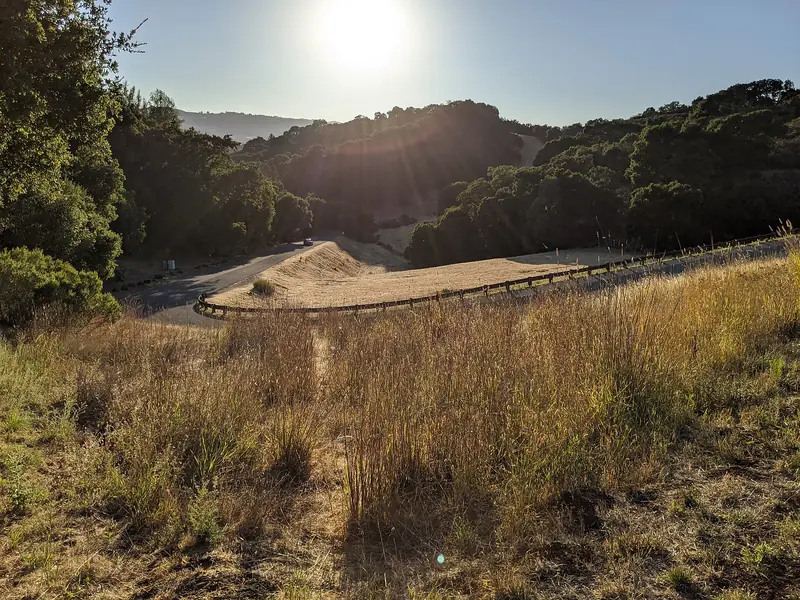
Across Skyline Boulevard from the state park, a second group of crags sits inside Santa Clara County's Sanborn County Park. Mountain Project, the climbers' route database, describes the rope areas around Indian Rock as sharing a free roadside pullout on the east side of Skyline, with the paid Castle Rock lot as overflow. Summit Rock, a short distance south, holds the largest concentration of roped routes on this side, many of which can be set up as top ropes from above.
Summit Rock comes with a nesting rule. Mountain Project's access note describes a seasonal closure for peregrine falcons with access limited to a fall and winter window. Our Sanborn guide notes that the county has closed it during nesting season in past years. Santa Clara County Parks sets these closures, so check its alerts before planning a spring or summer visit. Bikes are not allowed on Sanborn's trails and the park is open 8 a.m. to sunset.
Pinnacles: the big trip south
For taller rock, Pinnacles National Park is about two hours south of Palo Alto. Its volcanic spires have a long climbing history and the park publishes its own route advisories. From January to July the park closes climbing near active prairie falcon and golden eagle nests, so routes open and close through spring. Entry is $30 per vehicle and the east and west entrances are not connected by road. Summer heat often tops 100°F, which makes fall and early spring the climbing seasons.
From gym to rock
Outdoor climbing carries risks that gyms remove. Holds break, landings are uneven and there is no front desk to call for help. A sensible path:
- Build skills indoors. Movement and Touchstone gyms near Palo Alto run intro classes for bouldering and ropes.
- Go with experienced partners. Learn spotting, pad placement and how to read a sandy topout.
- Bring the right gear. Shoes, chalk, at least two crash pads for most problems, a brush and a first aid kit. Roped climbing adds helmets, a rope and anchor gear you know how to use.
- Use a guidebook or app offline. With no cell service, download maps and topos at home.
- Start small. Short problems near the main lot let you learn the rock's texture before you commit to anything high.
Our guide to bike shops and outdoor gear lists stores near Palo Alto for shoes, chalk and pads.
Safety on Skyline
Good to know
- No cell reception. Leave a plan with someone and carry a headlamp, since the park closes at sunset.
- Poison oak grows along most approach trails. Ticks and rattlesnakes are active in warm months.
- Peregrine falcons nest in the park. Respect posted closures.
- Pack out all tape, food and chalk wrappers. Dropped crumbs draw jays and ravens that raid the nests of endangered marbled murrelets.
- Fog can leave the rock damp even on dry days. Check the forecast in our weather guide.
Skyline Boulevard has no transit, so you will need a car. If you do not have one, you can compare rental cars for a weekend. Pair a climbing morning with a walk at Saratoga Gap or a hike from our list of hard hikes near Palo Alto on a day the rock is too wet.
Frequently asked questions
Where can you rock climb outdoors near Palo Alto?
The main area is Castle Rock State Park on Skyline Boulevard, about 50 minutes from downtown, with bouldering and roped climbing on Castle Rock, Goat Rock and smaller outcrops. More rope routes sit across the highway around Summit Rock and Indian Rock in Sanborn County Park. Pinnacles National Park is the big volcanic crag about two hours south.
Is Castle Rock climbing closed after rain?
Yes, it can be. Under a State Parks closure order, any measurable rain at the Castle Rock Kirkwood office can close the climbing areas for up to three days. Wet sandstone breaks easily, so wait until the rock is completely dry even if no sign is posted.
Do I need a permit to climb at Castle Rock?
Individual climbers pay the vehicle day use fee and follow the park's low-impact rules. Climbing classes, including those run by schools and nonprofits, need an advance permit and insurance from State Parks. Placing or replacing any bolt needs the park's approval first.
Can beginners boulder at Castle Rock?
Yes, but learn the basics first. Take an intro class at a gym, then go with experienced friends who own crash pads and know how to spot. Start on short, easy problems near the main parking lot and leave the high, sandy topouts for later.
Is there cell service at Castle Rock?
No. State Parks says there is no cell reception in the park or the area around it. Download a map and your guidebook app before you leave, carry plenty of water and tell someone when you expect to be back.