On this page
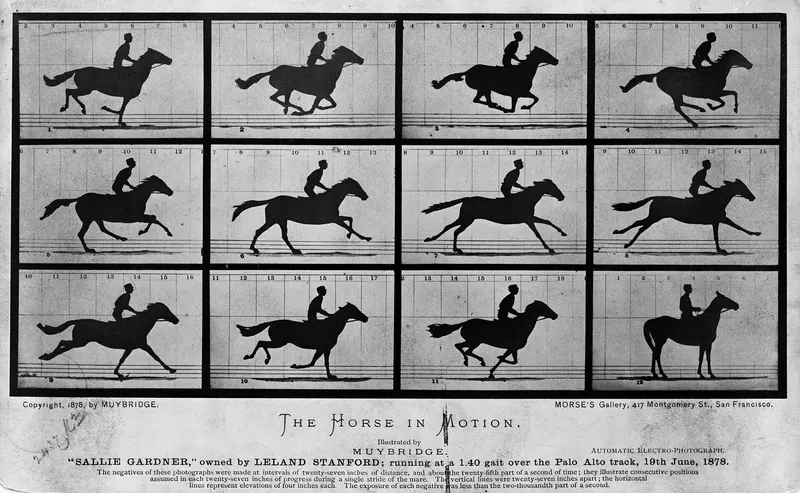
Palo Alto is a young city, incorporated in 1894, but it sits on a lot of history. The Ohlone lived along San Francisquito Creek for thousands of years. A Spanish expedition camped beneath a tall redwood here in 1769. Leland Stanford bred trotting horses on the land and paid a photographer to prove they could fly. A university grew on the farm and a radio company, an electronics garage and a research park grew beside it.
This plan covers that story in three days, from Friday to Sunday. Friday goes to Stanford, because the Hoover Tower galleries open only on weekdays. Saturday stays in town. Sunday offers a short drive to an older landmark. Each stop links to a fuller page on this site if you want the long version.
Before you go: what is open and closed
Several historic sites have limited access this season. Plan around them.
| Site | Status in late 2026 |
|---|---|
| Hoover Tower observation deck | Closed until January 25, 2027; tower closed weekends until then |
| Hoover Institution galleries | Open Monday to Friday, 10 a.m. to 4 p.m., free |
| Memorial Church | Closed to visitors for maintenance June 15 to October 31, 2026; check for current hours |
| Palo Alto History Museum | Opening postponed in January 2026 after leaks; no new date |
| Hanna House | Tours paused for repairs and conservation |
| Lou Henry Hoover House | National Historic Landmark, not open to the public |
| HP Garage | Private property owned by HP; view from the sidewalk |
Friday morning: the founding family
Start at the Oval at the top of Palm Drive. The Main Quad's sandstone arcades opened with the university in 1891. Look for the class plaques set in the arcade walkway, each marking a time capsule. Memorial Church, dedicated in 1903, was Jane Stanford's tribute to her husband. It lost its spire in the 1906 earthquake and was closed again after the 1989 Loma Prieta quake until 1992. Its visitor maintenance closure ran to October 31, 2026, so check Stanford's site for current visiting hours.
Then walk to Hoover Tower, finished in 1941 for the university's 50th anniversary. The deck is closed, but the ground floor galleries of the Hoover Institution Library and Archives are open on weekdays and free. They tell the story of Herbert Hoover, Stanford's most famous early graduate. Lou Henry Hoover, a Stanford geology graduate, features too.
Friday afternoon: the stock farm and the tomb
After lunch at Tresidder Union, head to the Cantor Arts Center. It opened in 1894 as the Leland Stanford Jr. Museum and its galleries include objects from the Stanford family. The Cantor also holds a large collection of Eadweard Muybridge's work.
Walk west into the Arboretum to the Stanford Mausoleum, completed in 1889 in granite with marble details. Leland, Jane and Leland Jr. rest inside. The tomb is sealed, but you can walk around it and the sphinxes. Nearby stands the Angel of Grief, a memorial to Jane's brother. The first statue went up in 1901 and was wrecked in 1906. The angel you see dates from 1908. The Arizona Cactus Garden next door was planted in the early 1880s for a Stanford mansion that was never built.
Finish by car or bike on Campus Drive West, across from the Stanford driving range. Here stands California Historical Landmark No. 834, placed in 1983. It marks the site where, in June 1878, Eadweard Muybridge used a row of 12 cameras to photograph Stanford's horses at a gallop. The sequences showed all four hooves off the ground and helped lead to motion pictures. If you have time, the 1878 Red Barn at 621 Fremont Road, the stock farm's training stable, is on the National Register. It is a working equestrian center, so contact it before visiting.

Saturday morning: the tall tree and downtown
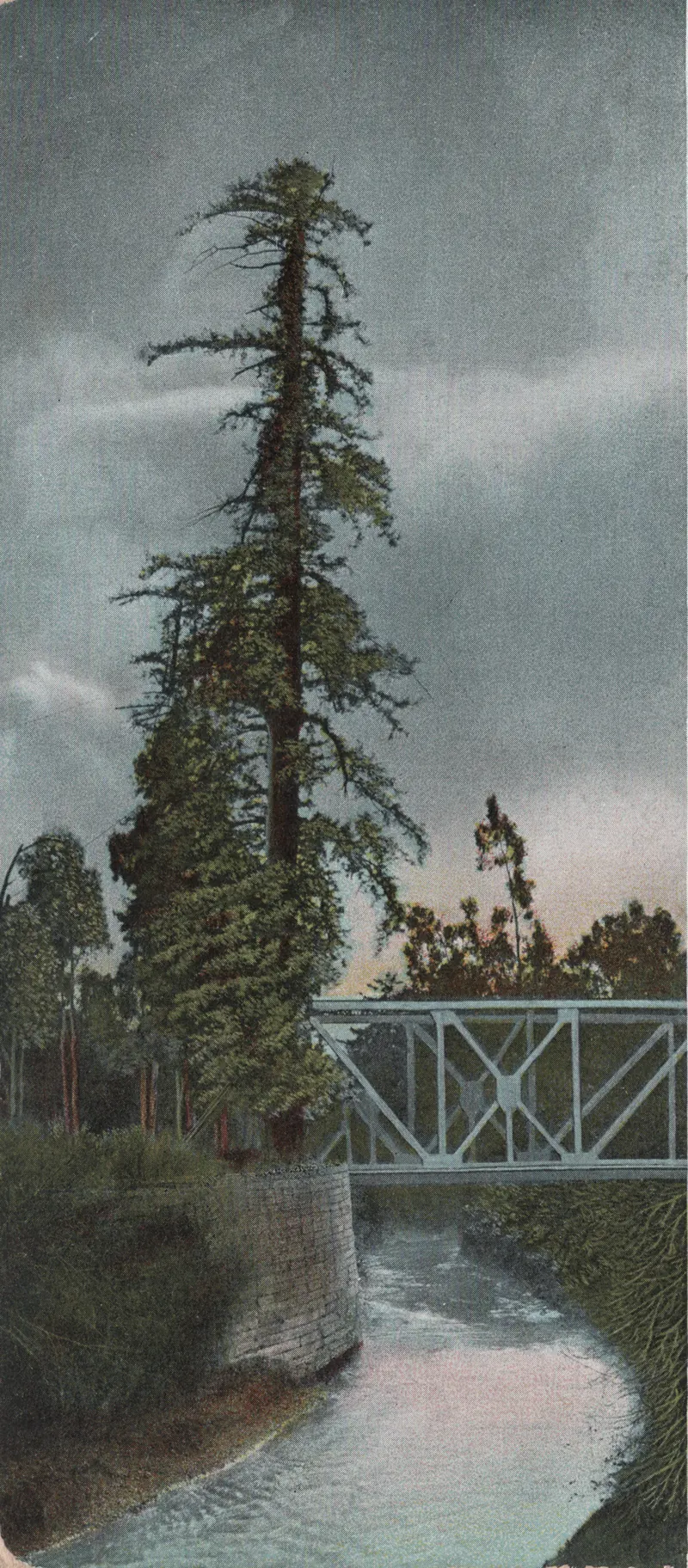
Begin where the name comes from. El Palo Alto, a coast redwood more than 1,000 years old, stands in a small park at the end of Palo Alto Avenue near Alma Street, beside the Caltrain tracks. Members of the Portolá expedition camped nearby from November 6 to 11, 1769 and used the tree as a landmark. A 1926 plaque sits by the footbridge to Menlo Park. The tree is about 110 feet tall today, shorter than it was around 1930 after decades of smoke from steam trains.
Walk back toward University Avenue and the 1941 Caltrain depot. At 27 University Avenue, the Hostess House, designed by Julia Morgan, was built in 1918 at Camp Fremont and moved here in 1919. It is California Historical Landmark No. 895 and now a restaurant. Then follow our downtown architecture walk. It passes the Ramona Street Architectural District, listed on the National Register in 1986, the 1924 Cardinal Hotel and the 1925 Stanford Theatre. The 500 block of Ramona is now car-free, which makes its Spanish Colonial Revival courtyards easy to explore on foot.

Saturday afternoon: Homer Avenue, Professorville and the garage
At 300 Homer Avenue, the Roth Building was the 1932 home of the Palo Alto Medical Clinic, designed by Birge Clark. It is meant to house the Palo Alto History Museum, but the opening was postponed in January 2026 after water leaks and no new date has been set. Victor Arnautoff's 1932 frescoes line the covered entrance walkway and are visible at any time. Across the street, the Museum of American Heritage fills a 1907 house by Ernest Coxhead with more than 8,000 objects of everyday technology. It is free and open Friday to Sunday from 11 a.m. to 4 p.m.
Walk a few blocks to Professorville, a National Register district of about 65 acres where early Stanford professors built shingled homes in the 1890s and 1900s. Stroll Kingsley, Lincoln and Addison avenues. At 367 Addison Avenue is the HP Garage, where Bill Hewlett and Dave Packard founded their company in 1939. It is California Historical Landmark No. 976 and on the National Register since 2007. HP owns it, so stay on the sidewalk. On the way back, look down at the southeast corner of Channing Avenue and Emerson Street for the plaque of the Federal Telegraph Company, Landmark No. 836, where Lee de Forest's team worked on vacuum tube amplifiers between 1911 and 1913.
In the evening, see what is playing at the Stanford Theatre. The 1925 movie palace shows classic films when a series is running.
Sunday: choose a drive
- Woodside. About 20 minutes away, the Woodside Store at 3300 Tripp Road was built in 1854 and is California Historical Landmark No. 93. It opens on weekends from noon to 4 p.m.
- Santa Clara. Mission Santa Clara, at the center of Santa Clara University, carries on the eighth California mission, founded in 1777. The church welcomes visitors outside services.
- Los Altos. The Los Altos History Museum at 51 South San Antonio Road is free and open Thursday to Sunday from noon to 4 p.m.
Without a car, spend Sunday morning at the California Avenue farmers market, which runs year-round, then return to campus for anything you missed. You can compare rental cars if you want the Sunday drive.
Where to stay and getting around
Stay downtown and you can walk to Saturday's stops. The Cardinal Hotel at 235 Hamilton Avenue, designed by William H. Weeks and opened in 1924, suits the theme. You can compare hotels in downtown Palo Alto for your dates. On Friday, the free Marguerite shuttle runs from the transit center beside Palo Alto station to campus. The Muybridge marker is on the campus edge, so bring a bike or use a short ride. If you would like a guided overview, you can browse Bay Area history tours.
Good to know
- Respect private homes in Professorville. Stay on the sidewalk and keep voices low.
- The Arboretum and the Muybridge marker are best in daylight. Winter sunset comes around 5 p.m.
- Stanford's Special Collections and University Archives hold Muybridge plates and Stanford family papers for researchers by appointment.
Frequently asked questions
Is the Palo Alto History Museum open?
Not yet. The museum planned to open in the restored Roth Building at 300 Homer Avenue in early 2026, but it postponed the opening in January 2026 after water leaks. No new date had been announced by late October 2026. Victor Arnautoff's 1932 frescoes in the entrance walkway are visible from outside.
Where is the Muybridge marker at Stanford?
California Historical Landmark No. 834 stands on Campus Drive West across from the Stanford driving range. It was placed on April 30, 1983 and honors Eadweard Muybridge's motion studies of horses on Leland Stanford's Palo Alto Stock Farm in 1878 and 1879.
Can you go inside the Stanford Mausoleum?
No. The granite tomb of Leland, Jane and Leland Stanford Jr. is sealed. The Arboretum grounds around it, the sphinxes and the nearby Angel of Grief are open and free to visit.
Can you tour Hanna House at Stanford?
Not at the moment. Frank Lloyd Wright's Hanna House is closed for repairs and conservation and its tours are paused with no reopening date. It is a National Historic Landmark. Check Stanford's site for any change.
What is the oldest thing to see in Palo Alto?
El Palo Alto, the coast redwood that gave the city its name, is more than 1,000 years old. A 1955 core sample suggests it sprouted around the year 940. It stands in a small park beside the Caltrain tracks at the end of Palo Alto Avenue.