On this page
San Francisco is about 35 miles up the Peninsula from Palo Alto and it makes the most natural day trip on this site. You do not need a car. Caltrain runs from Palo Alto station straight into the city and the San Francisco terminal at 4th and King puts you within walking distance of the waterfront, the ballpark and the downtown transit lines. One long day is enough to see the classic sights. It will not be enough to see everything, so this guide focuses on a realistic plan and on choosing the neighborhoods that suit you.
A note for late 2026: Alcatraz Island is closed for dock repairs from October 26, with reopening expected around November 18. Details are below. Everything else in this guide runs as normal.
Getting there by Caltrain
Caltrain is the backbone of this trip. Trains have been electric since 2024, which made them quieter and quicker. On weekdays an express train covers Palo Alto to San Francisco in roughly 40 minutes, a limited in a little over that and a local in about 50. Weekend trains run less often, so look at the Caltrain schedule before you leave and plan your return around a specific train.
You do not need a paper ticket. Tap a Clipper card or a contactless bank card or phone on the reader on the platform before boarding, then tap again at 4th and King so you pay the right fare. Palo Alto is in zone 3 and San Francisco is in zone 1. Our getting around guide has more on fares, stations and bikes on board.
From 4th and King into the city
- Walk: the Embarcadero waterfront starts a few blocks east, past Oracle Park, home of the San Francisco Giants. From there it is a flat walk of about 1.5 miles north to the Ferry Building.
- Muni Metro: the T Third line stops at 4th and King and runs north through the Central Subway to Union Square and Chinatown. The N Judah also starts here and heads out to the edge of Golden Gate Park and the Outer Sunset.
- Cable cars: the Powell Street lines start at Powell and Market, a short Muni ride or a 20 minute walk from the station.
Muni accepts the same Clipper card, so one card covers the whole day.
Driving instead
Driving takes 45 minutes to an hour via Highway 101 or Interstate 280 when traffic is light and much longer at rush hour. It rarely beats the train. Parking garages downtown and at the waterfront are expensive and street parking is scarce. Car break-ins are a well-known problem in tourist areas, including Fisherman's Wharf, the Palace of Fine Arts and the Golden Gate Bridge viewpoints, so never leave anything visible in the car. Drive only if you plan to continue across the Golden Gate Bridge to Muir Woods or the Marin Headlands, covered in our redwood forests guide.
A one-day plan
This route keeps walking reasonable and uses transit for the longer hops. It works best on a weekday or a Saturday.
- Morning train. Catch an express from Palo Alto around 8 a.m. and arrive at 4th and King before 9.
- The waterfront. Walk up the Embarcadero to the Ferry Building. Its arcade of food stalls is good for coffee and a second breakfast and a large farmers market sets up outside several mornings a week, busiest on Saturday.
- Chinatown. Walk inland to Grant Avenue and the Dragon Gate at Bush Street. Wander the side streets and alleys rather than staying on the main drag.
- North Beach for lunch. Chinatown runs straight into the old Italian neighborhood around Columbus Avenue and Washington Square. City Lights, the bookstore poet Lawrence Ferlinghetti co-founded in 1953, is on Columbus.
- Afternoon views. Climb Telegraph Hill to Coit Tower or ride a cable car over Russian Hill toward the bay.
- Late afternoon. Choose Golden Gate Park for museums and gardens or the Presidio and Crissy Field for the bridge. Doing both is a rush.
- Dinner and the train home. The Mission District has some of the city's best casual food and is a short Muni ride from 4th and King. Check the time of the last southbound train before you order dessert.

Neighborhoods worth your time
The Embarcadero and the Ferry Building
The 1898 Ferry Building anchors the waterfront. Ferries still leave from behind it for Sausalito, Larkspur and the East Bay, which makes a cheap and scenic bay ride. The piers to the north hold the Exploratorium, a hands-on science museum at Pier 15.
Chinatown and North Beach
These two neighborhoods sit side by side and fill half a day on foot. Chinatown is the oldest in North America. North Beach has old cafes, Italian delis and the steps up to Coit Tower.
The Mission
Murals line Balmy Alley and Clarion Alley. Mission Dolores, completed in 1791, is the oldest intact building in the city. Dolores Park, a few blocks away, is where locals spend sunny afternoons. The Mission is also often warmer and sunnier than the rest of town.
Golden Gate Park
The park stretches about three miles from the Haight to Ocean Beach. Its museum cluster includes the de Young art museum and the California Academy of Sciences, with the Japanese Tea Garden and the Conservatory of Flowers nearby.
The Presidio and Crissy Field
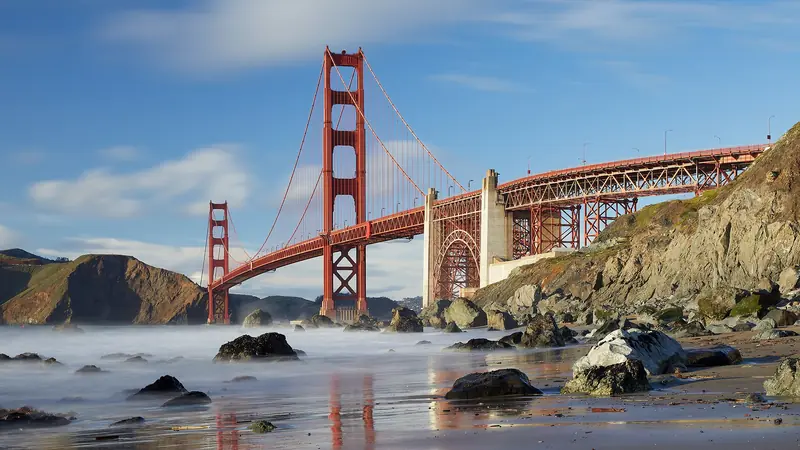
A former Army post turned national park land, the Presidio has trails, viewpoints and the flat Crissy Field shoreline path that leads toward the Golden Gate Bridge. You can walk onto the bridge from the south end.
Fisherman's Wharf
The wharf is crowded and commercial, but Pier 39's sea lions are fun with kids. It is also where most bay cruises depart. Skip Hyde Street Pier for now: the National Park Service closed it on November 4, 2024 for rebuilding and moved its historic ships to Mare Island. Our Fisherman's Wharf guide covers what is open.
Alcatraz and the bay
Alcatraz normally sells out days or weeks ahead, so it needs planning. In late 2026 it also needs checking. The island closed to visitors on October 26, 2026 for about three weeks while crews replace pilings that hold the ferry dock in place. Reopening was expected by November 18, but the National Park Service has said the timing depends on the work. Anyone holding tickets for the closure period was refunded. Check the Alcatraz page on nps.gov before you plan a day around it.
If the island is closed, you can still see it from the water. Bay cruises from Fisherman's Wharf circle past Alcatraz and under the Golden Gate Bridge in about an hour or so. Ferries from the Ferry Building to Angel Island State Park are another good alternative, with hiking and a former immigration station to visit.
Tours and city passes
San Francisco is easy to explore on your own, but a short tour can help on a tight schedule. Good options include walking tours of Chinatown and North Beach, hop-on hop-off buses that link the far-flung sights and bay cruises. You can browse San Francisco tours and cruises and book a time that fits your train.
If you plan to pack in several paid attractions, look at Go City. Its San Francisco range includes an All-Inclusive pass sold by the day and smaller Explorer and Essentials passes where you choose a set number of attractions. Included attractions have featured a Red and White Fleet bay cruise, the Exploratorium, the San Francisco Zoo, the California Academy of Sciences and the de Young and Legion of Honor museums. The Explorer and All-Inclusive passes also list Filoli in Woodside, which is useful if you are based in Palo Alto. You can check the current Go City pass lineup and add up what you would pay at the door before deciding.
Staying the night
A night in the city lets you see a show, stay late in the Mission and do a second neighborhood the next morning. Weekend rates in San Francisco can be lower than weekday rates in Palo Alto, where business travel drives prices. If you want to try it, compare San Francisco hotels near Union Square or the waterfront, both of which are close to transit back to 4th and King. For your Palo Alto base, see our where to stay guide.
Good to know
- San Francisco is often 10 to 20 degrees cooler than Palo Alto in summer, with fog and wind. Bring a warm layer. Our weather guide explains why.
- The city is hilly. Comfortable shoes matter more than anything else you pack.
- Note the last southbound Caltrain, especially on weekends.
- For more ideas on fitting this trip into a longer stay, see plan your trip and the rest of our day trips.
Frequently asked questions
How do you get from Palo Alto to San Francisco without a car?
Take Caltrain from Palo Alto station to the San Francisco terminal at 4th and King. Weekday express trains take about 40 minutes and locals about 50. Tap a Clipper card or contactless bank card on the platform reader before you board and tap again when you get off.
Is San Francisco worth a day trip from Palo Alto?
Yes. It is the easiest big day out from the Peninsula and you do not need a car. One day is enough for the waterfront, Chinatown and North Beach plus one of Golden Gate Park or the Golden Gate Bridge.
Is Alcatraz open in November 2026?
Alcatraz Island closed on October 26, 2026 for about three weeks while the ferry dock pilings are replaced. Repairs were expected to finish by November 18, but the timing could change. Check the National Park Service and Alcatraz City Cruises before you plan around it.
Is the Go City San Francisco pass worth it?
It can be if you plan to visit several paid attractions such as a bay cruise, the California Academy of Sciences or the Exploratorium. Go City sells an All-Inclusive pass by the day and smaller passes where you pick a set number of attractions. Add up the entry prices you would actually pay before buying.
Should I drive from Palo Alto to San Francisco?
Usually not. Parking in the city is expensive and hard to find and car break-ins are common in tourist areas. Caltrain is faster than driving at rush hour. A car only makes sense if you are continuing to Muir Woods or the Marin Headlands.